

APAR 3: Understanding the Right Areas for Fire Protection
Table of Contents
APAR 3 is a portable fire extinguisher designed to provide initial protection when a fire starts. With a practical capacity, this type of extinguisher can be considered for various commercial, residential, and workplace environments.
The appropriate application depends on the potential fire hazards, room size, accessibility, and extinguisher classification. Choosing the right location is important so the equipment can be reached quickly during an emergency.
Where Can APAR 3 Be Used?
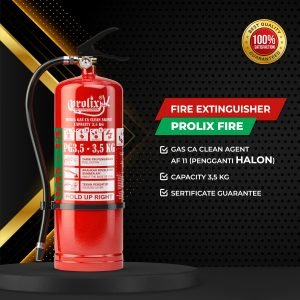
An APAR 3 can be considered for locations where early fire protection is needed and users require equipment that is relatively easy to access. Common examples include offices, shops, small warehouses, workshops, and residential buildings.
- Offices: suitable for areas containing electrical equipment, documents, and office furniture.
- Retail stores: useful as accessible fire protection near storage and customer areas.
- Small warehouses: can support initial response where combustible materials are present.
- Workshops: may be considered when the extinguisher type matches the materials and fire hazards present.
- Residential areas: can provide an additional layer of preparedness for homes and small properties.
However, an APAR 3 should not be selected based only on capacity. The extinguishing agent and fire classification must also match the hazards found in the area.
7 Tips for Choosing the Right APAR 3 Location
Before installing an APAR 3, identify the areas where a fire could potentially start. Consider electrical equipment, cooking activities, flammable materials, machinery, and other possible ignition sources.
- Place the extinguisher where it can be reached quickly.
- Keep access routes clear and visible.
- Position equipment near potential fire hazards without placing it directly inside a dangerous zone.
- Use appropriate signage so occupants can locate it easily.
- Consider room layout and evacuation routes when selecting a position.
- Check the extinguisher regularly according to applicable requirements.
- Ensure users understand basic emergency procedures and safe extinguisher use.
Important APAR 3 Placement Considerations
Proper placement makes an APAR 3 more useful during the first response to a fire. It should remain visible, accessible, and protected from conditions that could interfere with its operation.
Avoid hiding the unit behind cabinets, equipment, or other obstacles. Regular inspections should also verify its physical condition, accessibility, labeling, and service status.
For general fire-safety information, visit Wikipedia as an external reference. For product information and related fire-protection solutions, visit our website.
Matching APAR 3 With Potential Fire Hazards
The effectiveness of an APAR 3 depends on using an extinguishing agent appropriate for the specific fire class. Electrical equipment, cooking oils, paper, wood, and flammable liquids can require different approaches.
For this reason, users should review the extinguisher label and applicable fire-safety requirements before installation. Professional guidance can be useful when a building contains multiple types of hazards.
Conclusion
An APAR 3 can be considered for offices, retail spaces, small warehouses, workshops, homes, and other areas requiring accessible initial fire protection. The correct application depends on hazard type, extinguisher classification, room conditions, and accessibility.
Choosing the right location is only one part of fire preparedness. Regular inspection, clear access, appropriate signage, and user awareness should work together to support an effective emergency response.